Smile Through the Years: Dental Care for Every Stage of Life

Your smile is with you through every chapter of life—from your very first tooth as a baby to maintaining strong, confident teeth in your senior years. But did you know your dental needs change as you grow? What keeps a toddler’s smile healthy is very different from what protects an adult’s or a senior’s smile.
This comprehensive guide walks through dental care for all ages—infants, children, teens, adults, and seniors—so you and your family can enjoy healthy teeth and gums for life.
👶 Infant Dental Care (0–3 Years)
Even before the first tooth comes in, oral health begins. Parents play a crucial role in setting up good habits that will protect their child’s teeth for years to come.
Key Tips for Infant Oral Health:
Clean the gums: Gently wipe your baby’s gums with a clean, damp cloth after feedings. This helps remove sugars and bacteria.
First dental visit: Schedule your child’s first dental visit by age 1 or when their first tooth erupts, whichever comes first.
Prevent “baby bottle tooth decay”: Avoid putting your child to bed with a bottle of milk or juice. Sugars left on teeth overnight can quickly cause decay.
Teething care: Use chilled (not frozen) teething rings or a clean, damp washcloth to soothe sore gums instead of sugary teething snacks.
Fluoride exposure: Check if your water supply contains fluoride. If not, your dentist may recommend supplements.
👉 Why it matters: Baby teeth save space for permanent teeth, help with speech development, and allow your child to chew properly. Protecting them is vital for lifelong dental health.
🧒 Children’s Dental Care (4–12 Years)
As children grow, they begin learning independence. This is the stage where cavities are most common—but also the best time to build strong, lifelong habits.
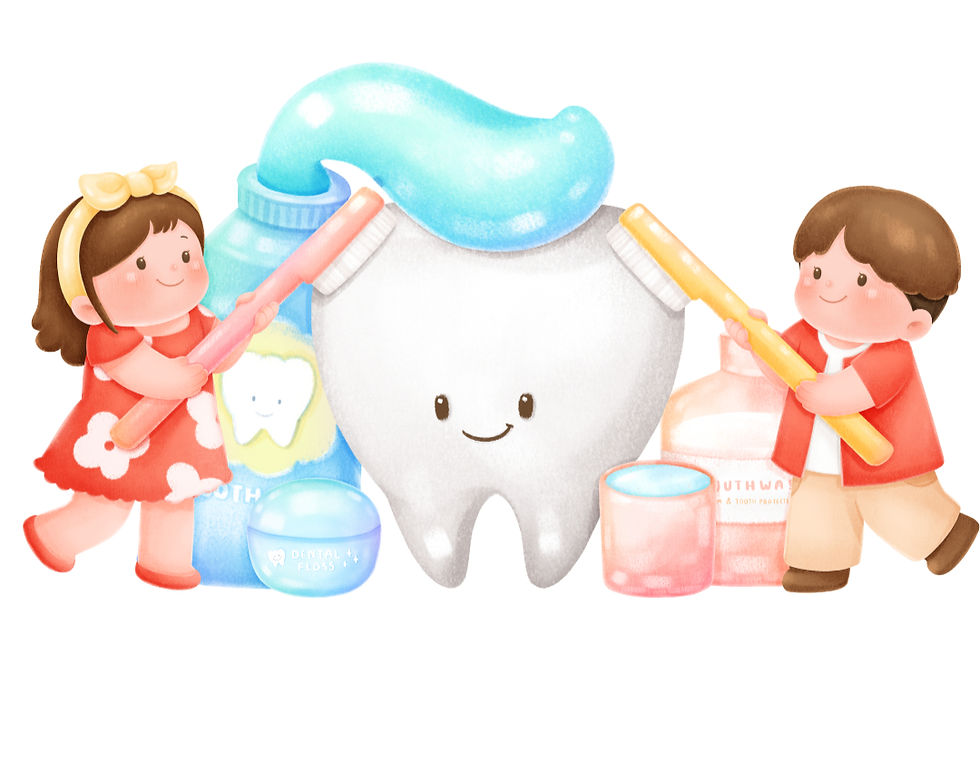
Tips for Kids’ Smiles:
Brushing & flossing: Teach children to brush twice a day using fluoride toothpaste (pea-sized amount) and start flossing once teeth touch.
Regular check-ups: Visit the dentist every 6 months to track tooth growth and catch problems early.
Sealants & fluoride treatments: Dental sealants protect the deep grooves in molars from cavities, and fluoride strengthens enamel.
Healthy snacks: Replace sticky candies and soda with fruits, cheese, yogurt, and crunchy veggies.
Orthodontic check-ups: By age 7, most children benefit from an orthodontic evaluation to check for bite and alignment issues.
👉 Why it matters: Kids who learn good brushing and flossing habits are more likely to carry them into adulthood, reducing their risk of cavities and gum disease later in life.
😎 Teen Dental Care (13–19 Years)
The teenage years bring braces, sports, and busy schedules—all of which can affect oral health. Teens also start making more independent choices about diet and hygiene.
Tips for Teen Oral Health:
Take hygiene seriously: Remind teens to brush for 2 minutes, twice daily, and floss once a day. Plaque buildup during these years can lead to lifelong problems.
Orthodontics care: Braces, aligners, and retainers require extra cleaning. Encourage the use of floss threaders, interdental brushes, or water flossers.
Mouthguards for sports: Protect against chipped or knocked-out teeth with a custom mouthguard.
Watch sugar & acids: Energy drinks and sodas erode enamel and increase cavity risk. Encourage water and milk instead.
Wisdom teeth monitoring: Dentists often evaluate wisdom teeth in the late teens to prevent crowding or infection.
👉 Why it matters: This is the time when teens establish their own oral care habits. Good routines now can prevent gum disease, cavities, and enamel erosion later.
👩 Adult Dental Care (20–59 Years)
Adulthood is when dental habits—and lifestyle choices—show their effects. Many adults deal with gum disease, worn teeth, or restorative needs.
Adult Smile Tips:
Routine check-ups: Visit your dentist at least twice a year for cleanings, exams, and X-rays.
Gum health: Periodontal disease (gum disease) often begins in adulthood. Daily flossing and regular cleanings help prevent tooth loss.
Restorative dentistry: Cavities, worn fillings, or damaged teeth may require crowns, bridges, or dental implants.
Cosmetic treatments: Whitening, veneers, and bonding help adults restore confidence in their smile.
Manage stress & grinding: Teeth grinding (bruxism) is common among adults and can wear down enamel. A nightguard can protect against damage.
Lifestyle choices: Avoid smoking and limit alcohol. Both are risk factors for gum disease, oral cancer, and tooth loss.
👉 Why it matters: Adults often balance work, family, and health—but skipping dental visits can lead to costly and painful issues. Prevention is always less expensive than treatment.
👵 Senior Dental Care (60+ Years)
Seniors face unique dental challenges, but with proper care, many keep their natural teeth for life. Oral health in older age is directly connected to overall health and well-being.

Senior Smile Tips:
Dry mouth solutions: Many medications cause dry mouth, which increases cavity risk. Stay hydrated, chew sugar-free gum, and ask your dentist about saliva substitutes.
Denture care: Clean dentures daily and visit your dentist for adjustments. Ill-fitting dentures can cause sores and infections.
Oral cancer screenings: Risk increases with age. Regular dental exams include screenings for early detection.
Protect natural teeth: Even in later years, daily brushing and flossing are crucial to avoid decay and gum disease.
Connection to general health: Poor oral health is linked to diabetes, heart disease, and other systemic conditions. Protecting your teeth protects your overall health.
👉 Why it matters: Healthy teeth help seniors eat comfortably, maintain nutrition, and continue smiling with confidence.
🌟 Final Word: Smiling Through the Years
Dental care is not one-size-fits-all. It evolves as we grow, but the foundations—brushing, flossing, healthy eating, and regular check-ups—remain the same. By adapting your care to each stage of life, you can keep your teeth and gums strong, your smile confident, and your overall health supported.
❓ FAQs on Dental Care for All Ages
1. When should my child first see a dentist?
By age 1, or within 6 months of their first tooth erupting.
2. How often should adults visit the dentist?
Most adults should see a dentist every 6 months. High-risk patients (gum disease, diabetes, smokers) may need more frequent visits.
Read more in detail here https://www.dentaluchb.com/post/how-often-should-you-get-a-dental-cleaning-and-why-it-matters
3. Are baby teeth really that important?
Yes—baby teeth guide permanent teeth into place, help with chewing, and support speech development.
4. Do seniors still need regular dental visits if they wear dentures?
Absolutely. Dentists check for oral cancer, gum health, and fit of dentures.
5. What’s the #1 way to prevent cavities?
Brushing twice daily with fluoride toothpaste, flossing once daily, and regular check-ups.
Remember: it’s never too early or too late to take care of your smile.
Call today (714) 766 2100 to book your family dental appointment in Huntington Beach.


Comments